
Horse Science
Through hands-on learning and an expert faculty, get a career in the thriving horse industry.
Horse Science, B.S.
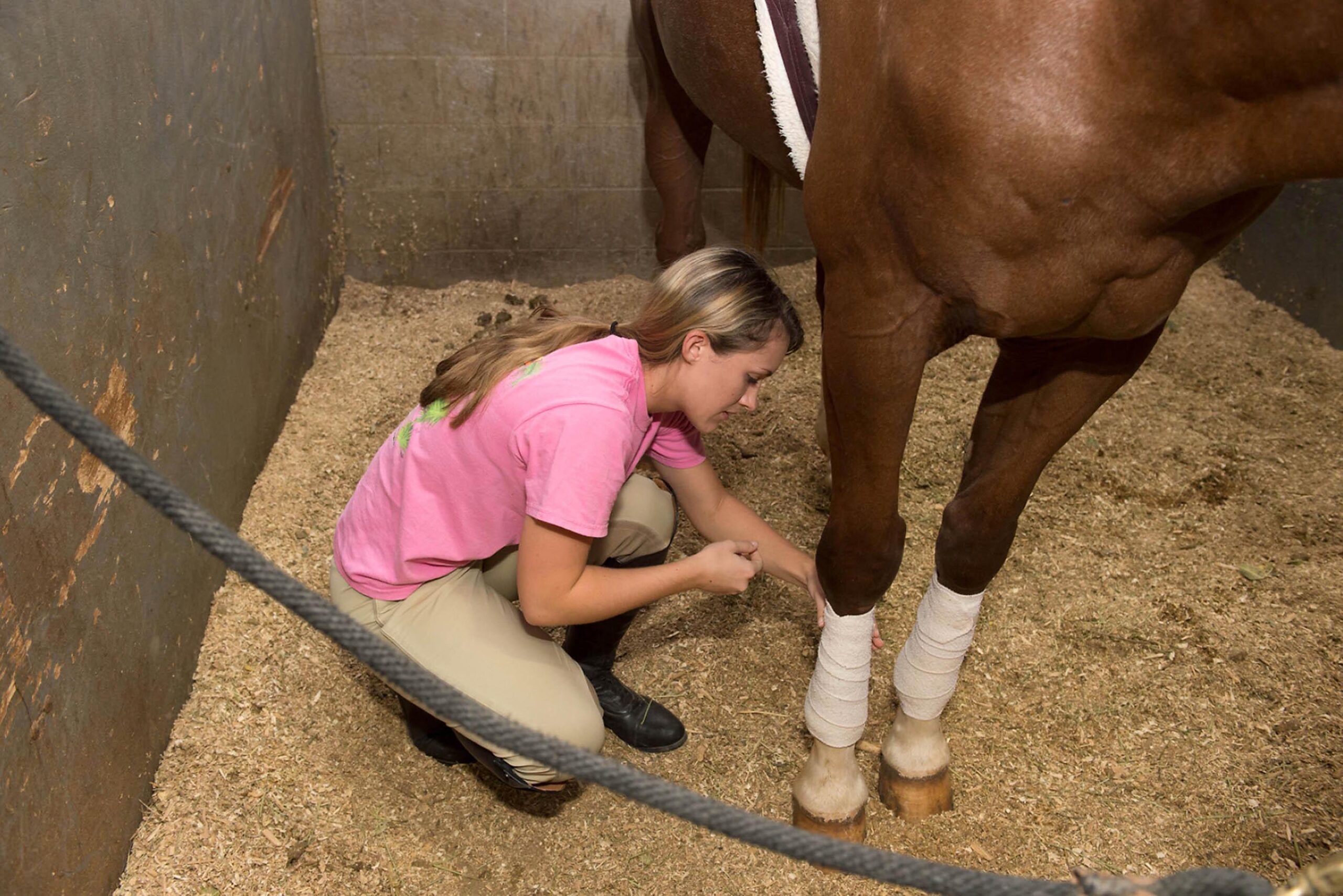
The Bachelor of Science in Horse Science is offered through the College of Basic and Applied Sciences at MTSU. The B.S. in Horse Science is designed to enhance preparation of students for careers in the multidisciplinary U.S. horse industry. The Horse Science major provides comprehensive course work in horse care and health, horsemanship equitation, selection and evaluation, behavior, training, genetics, nutrition, reproductive physiology, exercise physiology, equine event and facility management, and equine-assisted activities and therapies.
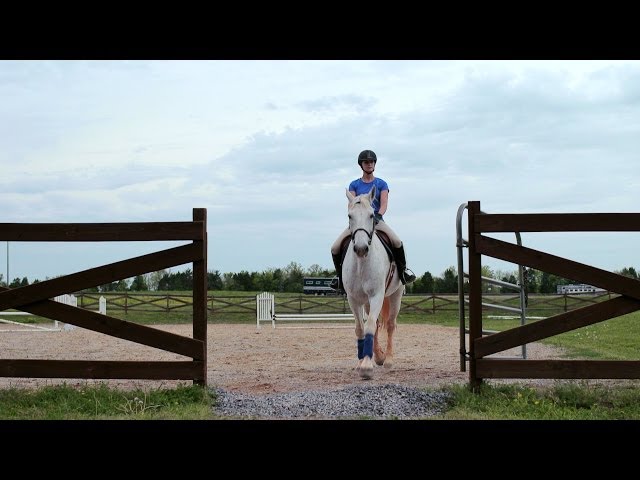
Why should you study Horse Science at MTSU? We are one of the leading horse programs in the United States. We are not just a riding program, nor do we study only the science of horses. We combine both to create a comprehensive program of study that combines horse science and management with hands-on horsemanship. Internationally-known faculty with a wide range of expertise help students find their niche and prepare for a future in the multi-billion-dollar horse industry. All levels of students are welcome, from beginner to world champion—we will teach you, one stride at a time.
HIGHLIGHTS
- Hands-on learning in the horse barn, lab, and indoor arena
- Horsemanship courses in the classroom and in the saddle
- Nationally ranked faculty with a wide range of expertise
- Home of 55 horses that are used for teaching, research, and competitions
EXTRACURRICULAR COMPETITION TEAMS & CLUBS
- The MTSU Equestrian team shows western horsemanship and hunter seat equitation in the Intercollegiate Horse Shows Association; students have won 19 national championship titles; competition opportunities for all levels of riders
- The MTSU Stock Horse Team are 3-time American Stock Horse Association National Champions; students have won 25 national championship titles, showing in ranch horse pleasure, trail, reining, and working cow horse
- The MTSU Horse Judging Team has a 35-year history of national championship wins and Top 10 awards at national intercollegiate horse judging contests
- The Center of Equine Recovery for Veterans pairs students learning about Equine Assisted Activities and Therapies with local veterans, using the horse — human relationship as therapy
SPECIALTY COURSES
- Four levels of Horsemanship
- Equine Assisted Therapy I and II
- Equine Event and Facility Management
- Equine Evaluation and Advanced Horse Judging
- Equine Exercise Physiology
- Equine Nutrition and Feeding
- Equine Reproduction and Breeding
- Horse Breeds and Genetics
- Techniques of Teaching Horsemanship
- And more
Why should you study Horse Science at MTSU? What careers are available?
Most people consider the obvious ones first: horse trainer, riding teacher, groom, barn manager, breeding/foaling manager, veterinarian, farrier—careers that require hands-on work directly with horses.
Many people do not consider the depth and scope of the U.S. horse industry. According to a 2018 survey by the American Horse Council, there are 7.2 million horses in the United States today. The horse industry contributes $122 billion to the gross domestic product and pays over $2 million in taxes annually. Over 1.3 million people own horses; 38 million people are horse enthusiasts who participate in horse activities but do not own a horse, and tens of millions of spectators enjoy horse events annually.
The U.S. horse industry supports approximately 454,000 full-time-equivalent jobs directly involved with horses, and 988,000 full-time indirect horse industry jobs that do not include hands-on work with horses but instead provide support to the industry.
At MTSU, students study with faculty who have a wide range of expertise as they find their niche and prepare for a future in the multi-billion-dollar horse industry. All levels of students are welcome, from beginner to world champion—we will teach you, one stride at a time.
Live outside of Tennessee? You could be eligible for in-state tuition and save thousands of dollars.
If you live in one of these states: AL GA LA WV; you may be able to attend MTSU at in-state rates under the Academic Common Market program.





News Briefs
The House of Horse
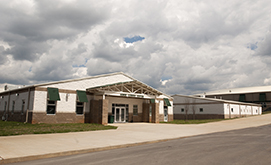
Located seven miles from the main campus and part of the 125-acre Tennessee Miller Coliseum complex, the state-of-the-art MTSU Horse Science Center is home to our lesson horses, breeding herd, two master classrooms, an equine clinic and reproduction laboratory, faculty offices and conference room, heated barn with 60 climate-controlled stalls, the enclosed 105' x 230' Anne Brzezicki teaching arena, and five nationally ranked horse science faculty who are available daily. An additional outdoor arena, jump course, free-stall horse exerciser, and two training round pens are also on site. Future plans include completion of the 2500-square-foot horse science annex, to include a scientific laboratory, graduate student offices, tack storage area, and locker room.
Equestrian, Stock Horse and Horse Judging Teams
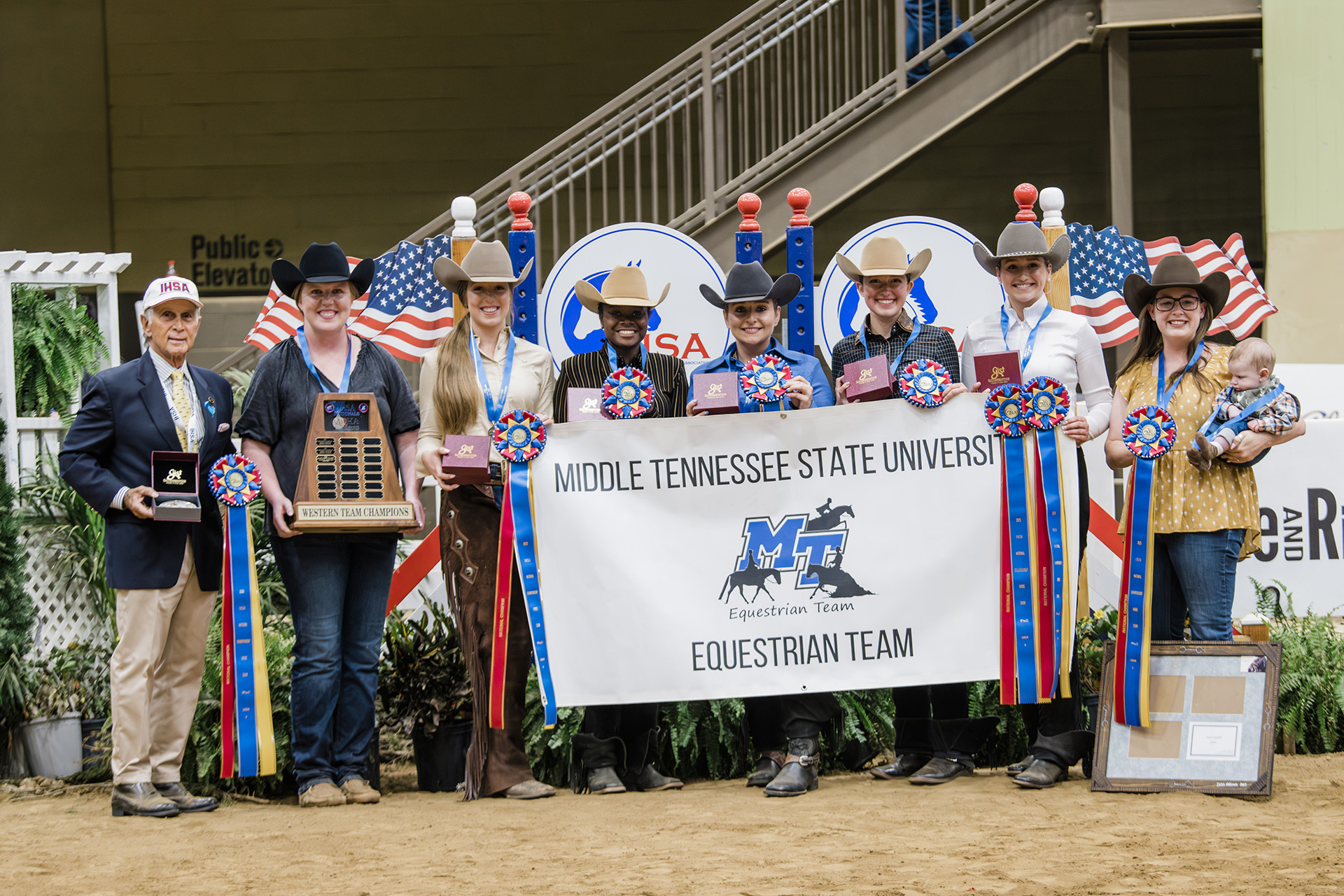
Compete at the collegiate level in our nationally recognized teams: the MTSU Equestrian Team, the MTSU Stock Horse Team, and the MTSU Horse Judging Team. The MTSU Equestrian Team competes in the Intercollegiate Horse Show Association (IHSA) in hunter seat equitation on the flat and over fences, western horsemanship, and reining. All levels are welcome, from walktrot to open riders. The Equestrian Team has qualified riders for the IHSA National Championship for every year (except one) since 1988. Over the years, Equestrian Team riders have earned 18 National Champion titles. The MTSU Stock Horse Team is our newest team, but it is already a two-time Division II Collegiate National Champion team. Students compete in and host American Stock Horse Association certified shows and open ranch shows, with classes in Stock Horse Pleasure, Trail, Reining, and Working Cow Horse. The MTSU Horse Judging Team has competed at regional and national contests for over 35 years. The group has won the World Championship Quarter Horse Show contest twice. The group has won the World Championship Quarter Horse Show contest twice and the Quarter Horse Congress judging contest three times.
News Briefs
The House of Horse
Located seven miles from the main campus and part of the 125-acre Tennessee Miller Coliseum complex, the state-of-the-art MTSU Horse Science Center is home to our lesson horses, breeding herd, two master classrooms, an equine clinic and reproduction laboratory, faculty offices and conference room, heated barn with 60 climate-controlled stalls, the enclosed 105' x 230' Anne Brzezicki teaching arena, and five nationally ranked horse science faculty who are available daily. An additional outdoor arena, jump course, free-stall horse exerciser, and two training round pens are also on site. Future plans include completion of the 2500-square-foot horse science annex, to include a scientific laboratory, graduate student offices, tack storage area, and locker room.
Equestrian, Stock Horse and Horse Judging Teams
Compete at the collegiate level in our nationally recognized teams: the MTSU Equestrian Team, the MTSU Stock Horse Team, and the MTSU Horse Judging Team. The MTSU Equestrian Team competes in the Intercollegiate Horse Show Association (IHSA) in hunter seat equitation on the flat and over fences, western horsemanship, and reining. All levels are welcome, from walktrot to open riders. The Equestrian Team has qualified riders for the IHSA National Championship for every year (except one) since 1988. Over the years, Equestrian Team riders have earned 18 National Champion titles. The MTSU Stock Horse Team is our newest team, but it is already a two-time Division II Collegiate National Champion team. Students compete in and host American Stock Horse Association certified shows and open ranch shows, with classes in Stock Horse Pleasure, Trail, Reining, and Working Cow Horse. The MTSU Horse Judging Team has competed at regional and national contests for over 35 years. The group has won the World Championship Quarter Horse Show contest twice. The group has won the World Championship Quarter Horse Show contest twice and the Quarter Horse Congress judging contest three times.


The U.S. horse industry supports 1.7 million full-time jobs. Most people consider the obvious careers first: horse trainer, riding instructor, groom, barn manager, breeding/foaling manager, veterinarian, and a farrier—careers that require hands-on work directly with horses. Many people do not consider the largest portion of horse industry careers, those providing services to horse owners. Career examples include the following:
- Journalist for any of the major horse publications (breed or discipline-specific magazines); photographer; videographer
- Sales and marketing of support supplies: trucks, trailers, fencing, stables, tack and equipment, horse feed, health supplies, riding attire, or a pharmaceutical representative selling products to equine veterinarians and horse owners, a realtor specializing in horse properties
- Licensed horse show officials including inspectors, judges, horse event facility managers, show stewards, show announcers, and other designated qualified persons
- Course designer for horse events (jumping, trail, eventing, combined driving, etc.); trailer designer; architect or engineer specializing in equine facilities, coliseums, riding arenas, and stables; agricultural engineer; racing steward, timing official, handicapper, racing secretary; arena footing specialist
- Lawyer specializing in equine law, liability, equine contracts, environmental law, equine syndication
- Public relations for a breed or discipline-specific association, social media marketing; advertising, or website designer; breed registry official; bloodstock agent
- Equine scientist; equine geneticist; equine exercise physiologist; formulation and testing of equine vaccines; equine behaviorist; equine reproductive physiologist
- Equine nutritionist, equine feed specialist or nutrition laboratory technician; forage, hay, or pasture specialist
- Therapist specializing in therapeutic riding and equine-assisted activities and therapies; non-profit manager
- Financial planner specializing in equine businesses; credit agent for horse properties; equine insurance agent
- Horse extension specialist or extension agent (people who teach best management practices regarding horses to new owners); 4-H youth development program coordinator; rangeland management specialist, Bureau of Land Management official; a mounted police officer
- University professor specializing in horses, riding instructor, equestrian team coach, high school agriculture teacher
- Equine or large animal veterinarian; veterinary technician, equine rehabilitation technician, laboratory technician
You may know already the horse career of your choice, or you may still be searching.MTSU's Horse Science Program provides a variety of course experiences that will help you decide and provides the tools you need to be successful in the horse industry.
Employers of MTSU alumni include
- Alltech Equine
- American Quarter Horse Association
- American Paint Horse Association
- Bureau of Land Management
- Cargill Nutrena
- Dakin Farm South
- Dechra Veterinary Products
- Dixiana Farm
- Dover Saddlery
- Equine Affaire, Inc.
- Farm Credit Services Mid-America
- FarmVet
- Harris Riding Academy
- Jaeckle Centre
- Kiser Arena Specialists
- Magnolia Equine Assisted Therapies
- Mars Petcare
- Merck Animal Health
- Middle Tennessee State University
- MWI Veterinary Supply
- National Institute of Health
- National Reining Horse Association
- Nolensville Equine Hospital
- Ohio State University Cooperative Extension
- Poplar Place Farm Equestrian Show Facility
- ProTrition Feed, LLC
- Purdue University Cooperative Extension
- Purina Animal Nutrition
- Saddle Up! Equine Assisted Therapy
- Shenandoah Mills
- Tractor Supply Company
- Taylor Farms
- Tennessee Department of Agriculture
- Tennessee Equine Hospital
- Tennessee Farm Bureau
- Tennessee Farmers Co-op
- Tennessee Walking Horse Breeders and Exhibitors Association
- Tennessee Wildlife Resources Agency
- University of Tennessee Cooperative Extension
- Walking Horse Owners Association
- Will Rogers Memorial Center & Facilities
- Zoetis




CONTACT US
Please fill in the form below and we will contact you very soon